


















No. ZeroBox is built specifically for Independent EU Brands, meaning our philosophy is simple: don't buy compliance tools you don't need yet. EU regulations are rolling out in stages:
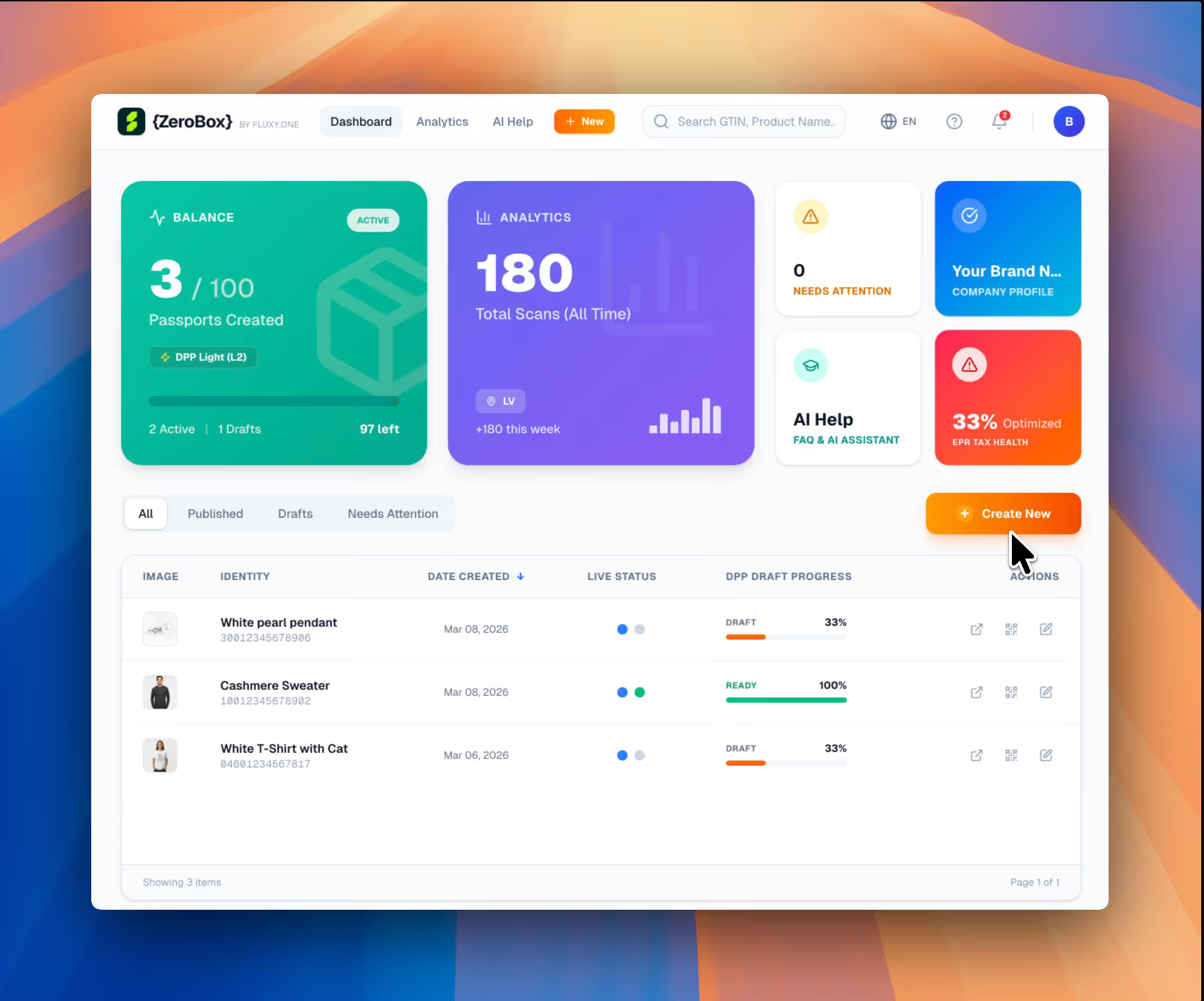
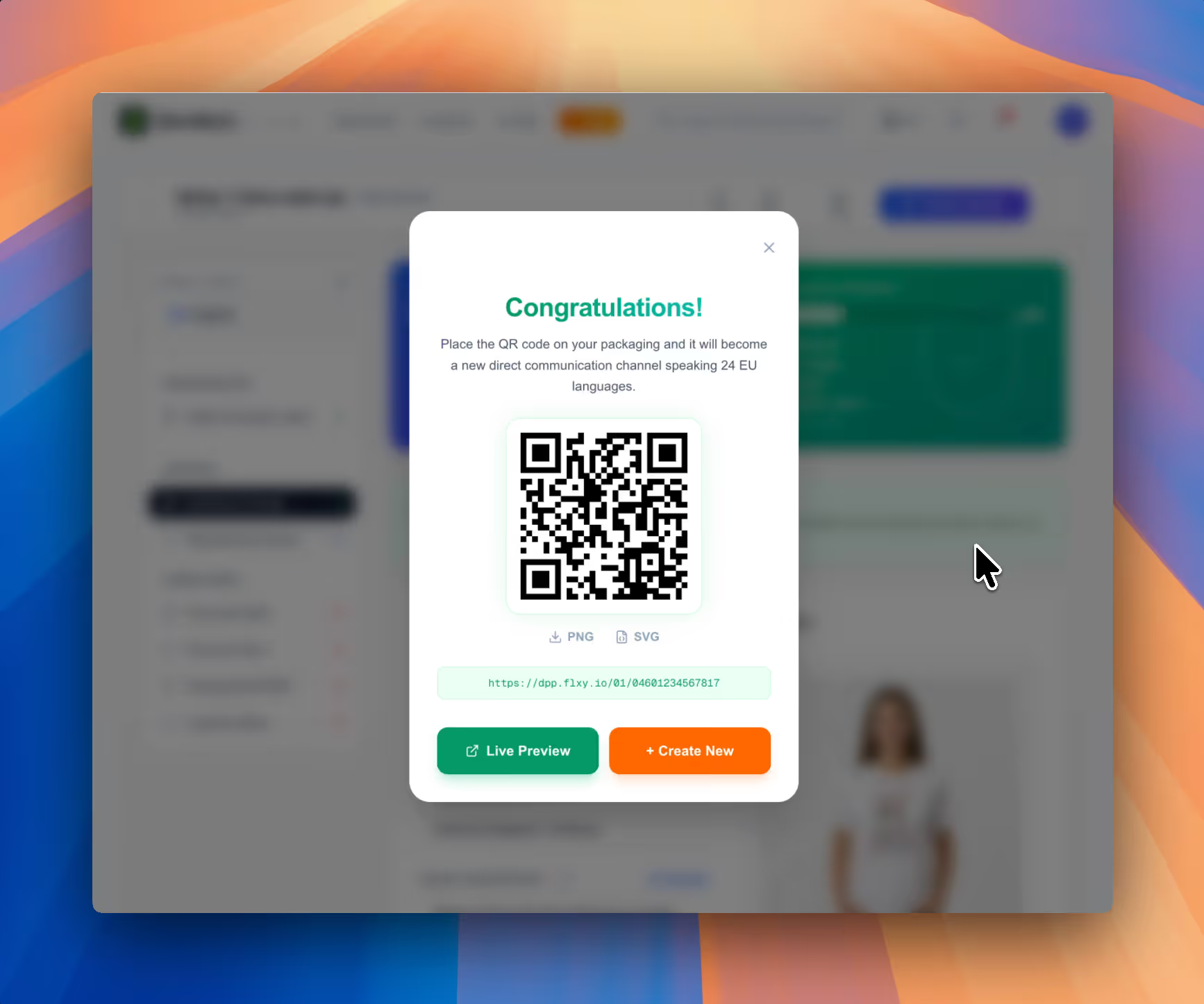
✓ NOW (Start Free): Create a Tier 1 ZeroBox. You get a digital product card with your links, auto-translation into 24 languages, and scan analytics. Print the free GS1 Digital Link QR code on your packaging today. It satisfies the current General Product Safety Regulation (GPSR) by displaying manufacturer contact info.
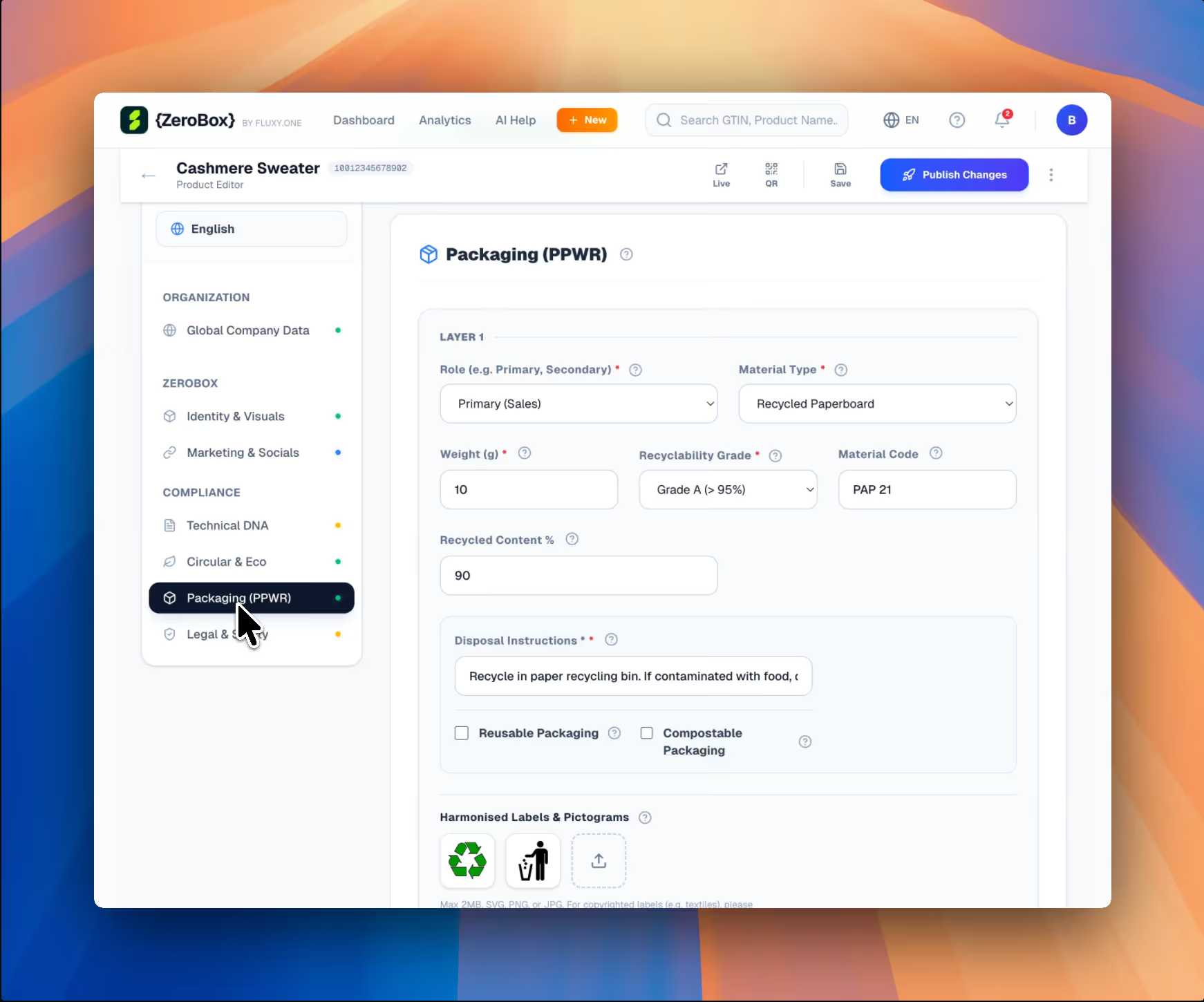
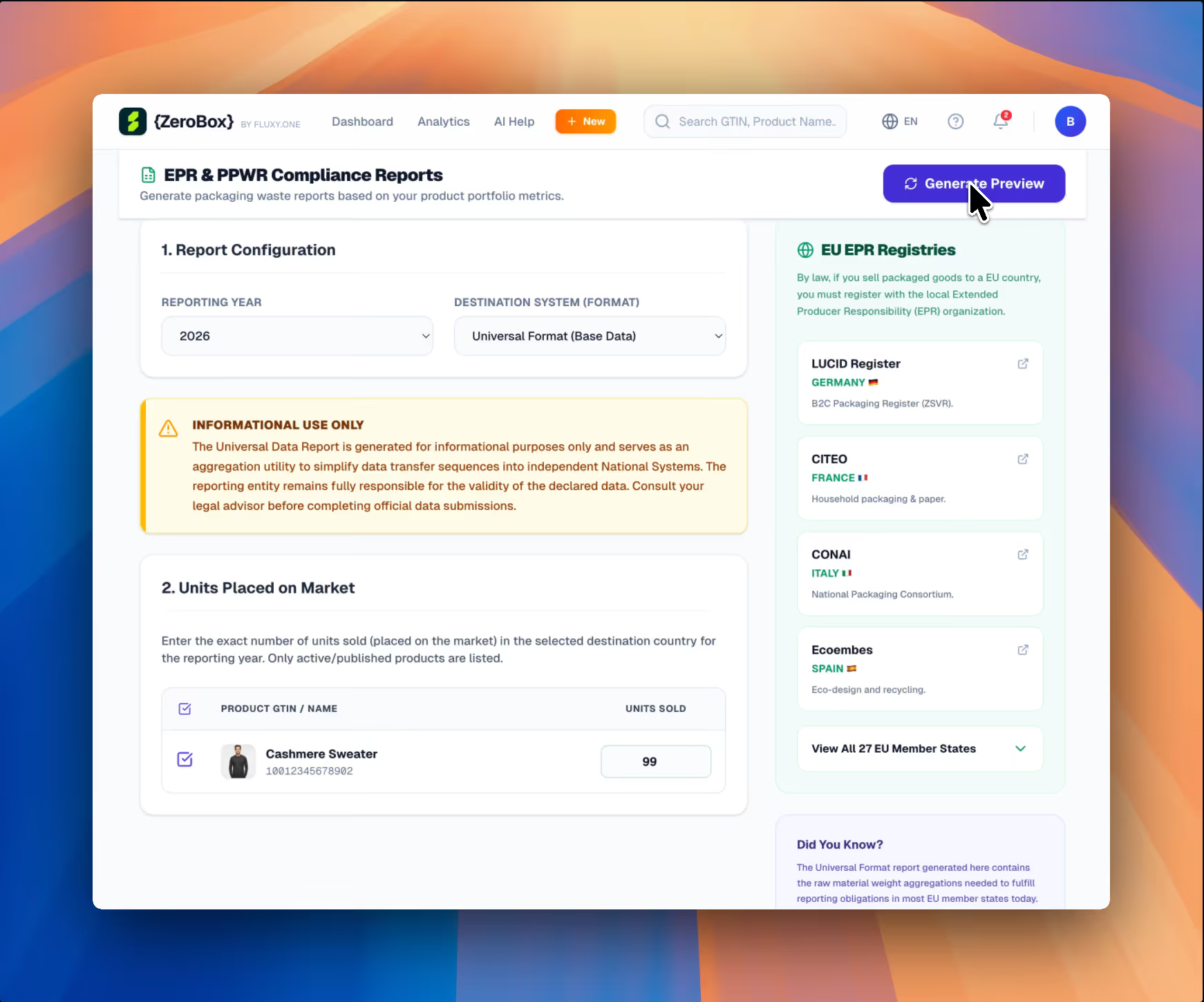
✓ Summer 2026 (PPWR): When the Packaging and Packaging Waste Regulation hits, simply upgrade to Tier 2 (just €9.99/month for 100 products) to add mandatory recycling and disposal instructions.
✓ 2027 and Beyond (Full DPP): When supply chain transparency and raw material tracking become mandatory for your category, upgrade to Tier 3+.
The best part? Your printed QR code and GS1 Digital Link remain exactly the same at every stage. You never need to reprint your packaging.
Starting in Summer 2026, the PPWR mandates that businesses clearly communicate localized recycling and sorting instructions. For SMEs, printing these constantly changing rules for different EU countries means cluttered, expensive packaging.
ZeroBox solves this at the Tier 2 level (€9.99/month for 100 products):
- Keep your physical packaging clean and beautiful.
- Move bulky Extended Producer Responsibility (EPR) data and recycling codes to your digital page.
- Update sorting rules for different regions instantly without reprinting your box.
Can ZeroBox protect my brand from the EU Greenwashing Directive?
Yes. The EU Greenwashing Directive strictly prohibits vague environmental claims ("eco-friendly," "green") unless they are backed by verifiable data. Instead of risking fines by printing unverified claims on your packaging, use your ZeroBox page to link customers and regulators directly to your sustainability certifications (e.g., FSC, Organic).
Tier 1 — Free Forever (Do this NOW)
- GS1-compatible QR code that never expires.
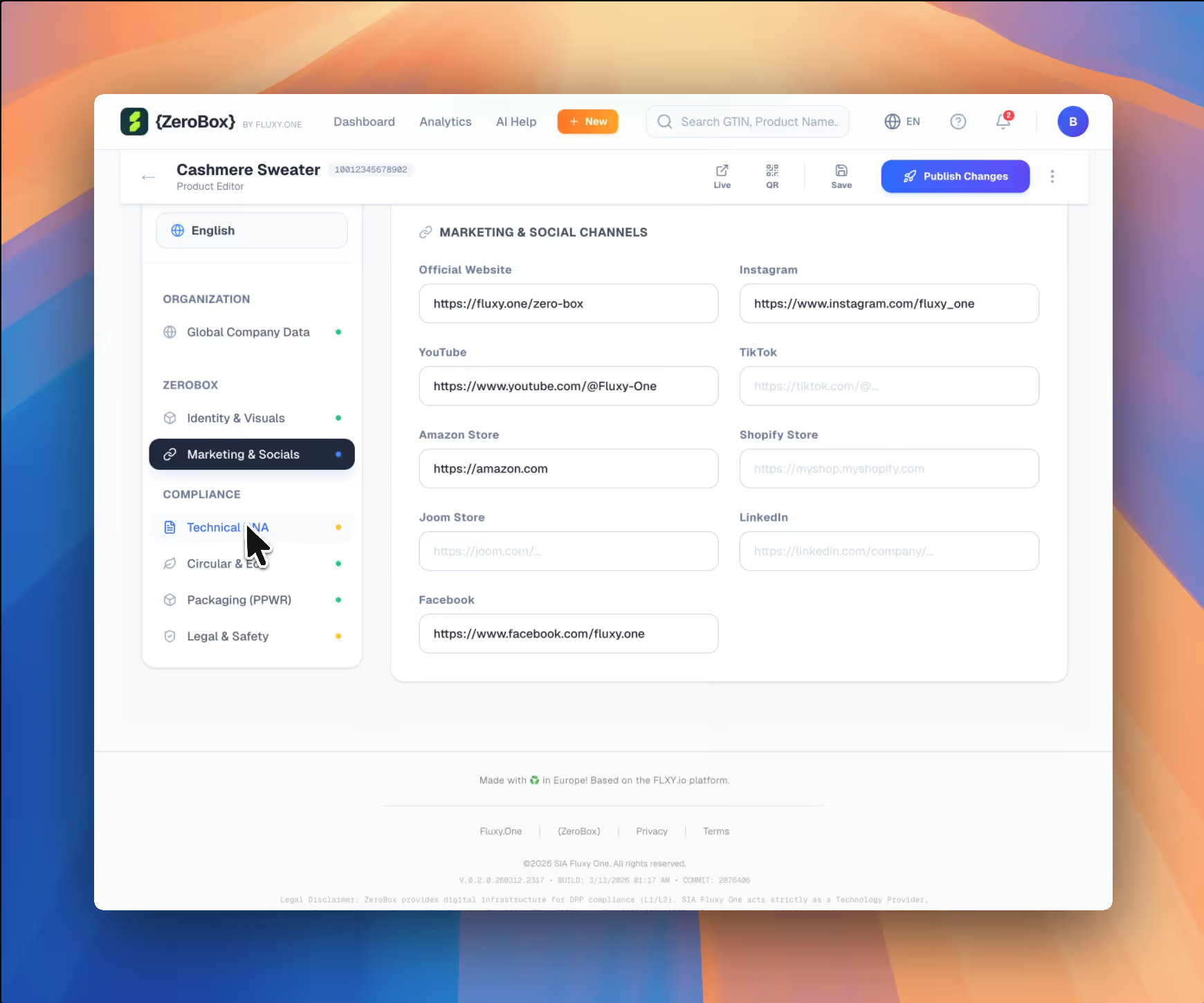
- Digital product card with your custom links and descriptions.
- Auto-translation into 24 languages.
- Basic scan analytics (country, device type).
Perfect for: Getting started, satisfying GPSR, and building international trust for €0.
Tier 2 — PPWR Ready (Summer 2026)
- Everything in Tier 1, plus packaging materials and localized recycling instructions.
Cost: Only €9.99/month for up to 100 products.
Tier 3 & 4 — Full DPP Compliance (2027+)
- Everything above, plus deep supply chain data, raw material tracking, and EU registry transfers.
Perfect for: Passing strict regulatory inspections when the law mandates it for your specific category.
- Traditional Barcode (EAN-13): Only stores a product number (GTIN). It only works at checkout scanners, cannot be updated, and has no future in EU compliance.
- GS1 Digital Link QR Code (ZeroBox): The new global standard. It stores your GTIN + a web URL. It scans at the checkout register AND scans with customers' smartphones. It is the mandatory foundation for future EU regulations.
Why not just use a free QR generator or print my website URL?
Generic generators (Canva, QR Code Monkey) and printed URLs are dangerous for product packaging:
❌ They break: If you change your website domain or redesign your site, all your printed packaging is ruined.
❌ No GS1 compliance: They are not future-proof for EU laws.
✅ ZeroBox is Dynamic & Permanent: Our QR codes are dynamic. If you fix a typo in your manual, change your domain, or need to activate Tier 2 compliance later, just update the data in your dashboard. The QR code on your physical product never changes.
Can I use the same QR code for multiple products?
No. To comply with GS1 standards and upcoming EU regulations, 1 Product = 1 Unique QR code.
- Example: If you sell Natural Soap in Lavender and Rose, they need separate QR codes because they have different GTINs and ingredients.
- The ZeroBox way: You can create a free ZeroBox for every single product variation you have. Start them all on Tier 1 for free, and only upgrade the specific products that need deeper compliance later.
Yes. QR codes on physical product packaging are perfectly legal and marketplace-safe, provided you follow the rules:
1. The QR code must be on the physical packaging customers receive (not in your digital listing photos).
2. You cannot use the QR code to offer incentives for reviews.
3. ZeroBox pages are marketplace-safe by design, giving you a compliant digital space you control.
Is it legal to collect customer data through QR codes?
ZeroBox is built for GDPR compliance. By default, we do not collect personal data. We only track anonymized scan analytics (number of scans, country, device OS) to help you understand your audience. If you choose to add lead-capture forms to your ZeroBox page, you must include your own privacy policy to obtain explicit user consent.



Privacy is important to us, so you have the option of disabling certain types of storage that may not be necessary for the basic functioning of the website. Blocking categories may impact your experience on the website. More information


