Introduction: Navigating the New Data Mandate for B2B
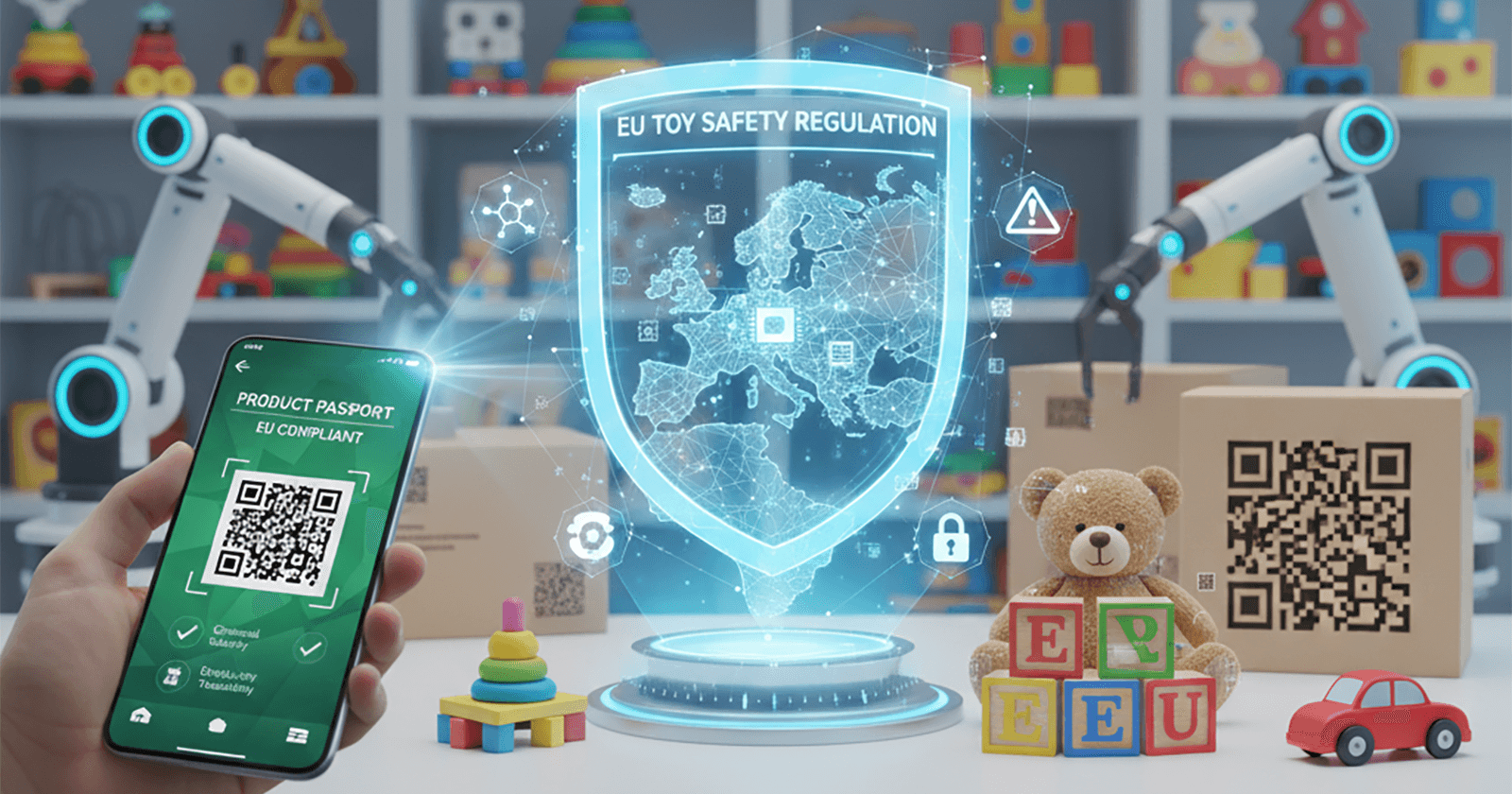
The new EU Toy Safety Regulation Compliance framework marks the most comprehensive overhaul of EU product safety in a decade, replacing the former Directive 2009/48/EC. This move reflects today’s digital, chemical, and online-market realities, establishing a high, uniform standard of safety.
For B2B manufacturers and importers, the change is significant. It requires integrating stricter chemical assessments, accounting for digital risks, and, most pressingly, preparing for the mandatory Digital Product Passport (DPP). Navigating this complex, multi-dimensional challenge demands a compliance solution that is Simple, Instant, and Affordable. The goal is zero fines and guaranteed market access.
Defining the Regulatory Shift and Key Timelines
For over a decade, toy safety was governed by a Directive implemented through varied national laws. The new Toy Safety Regulation (TSR) replaces this with a single, directly applicable set of rules. This harmonization aims to reduce national divergences and gives authorities clearer, unified enforcement tools to combat non-compliant imports.
Key Timeline Update: Preparation Starts Now
The new TSR was adopted in November 2025 and is awaiting publication in the Official Journal of the EU. While member states will have 54 months (over four years) to fully comply with the new provisions, the complexity of the data requirements means B2B operations must secure their data management systems now to maintain compliance visibility.
Stricter Protection: Navigating TSR Chemical Restrictions
A cornerstone of the TSR is a significantly stricter approach to hazardous chemicals. The new Regulation expands restrictions to cover additional hazard classes:
Expanded Restrictions: New rules include limits on endocrine disruptors, respiratory sensitizers, skin sensitizers, and certain organ-toxic substances.
Targeted Substances: The Regulation specifically addresses substances of concern like specific bisphenols and PFAS.
These restrictions are designed to evolve quickly, forcing toy makers to constantly review materials and formulations. This rapid evolution requires agile data management systems to maintain guaranteed compliance.
The Digital Product Passport (DPP): A Structured Data Mandate
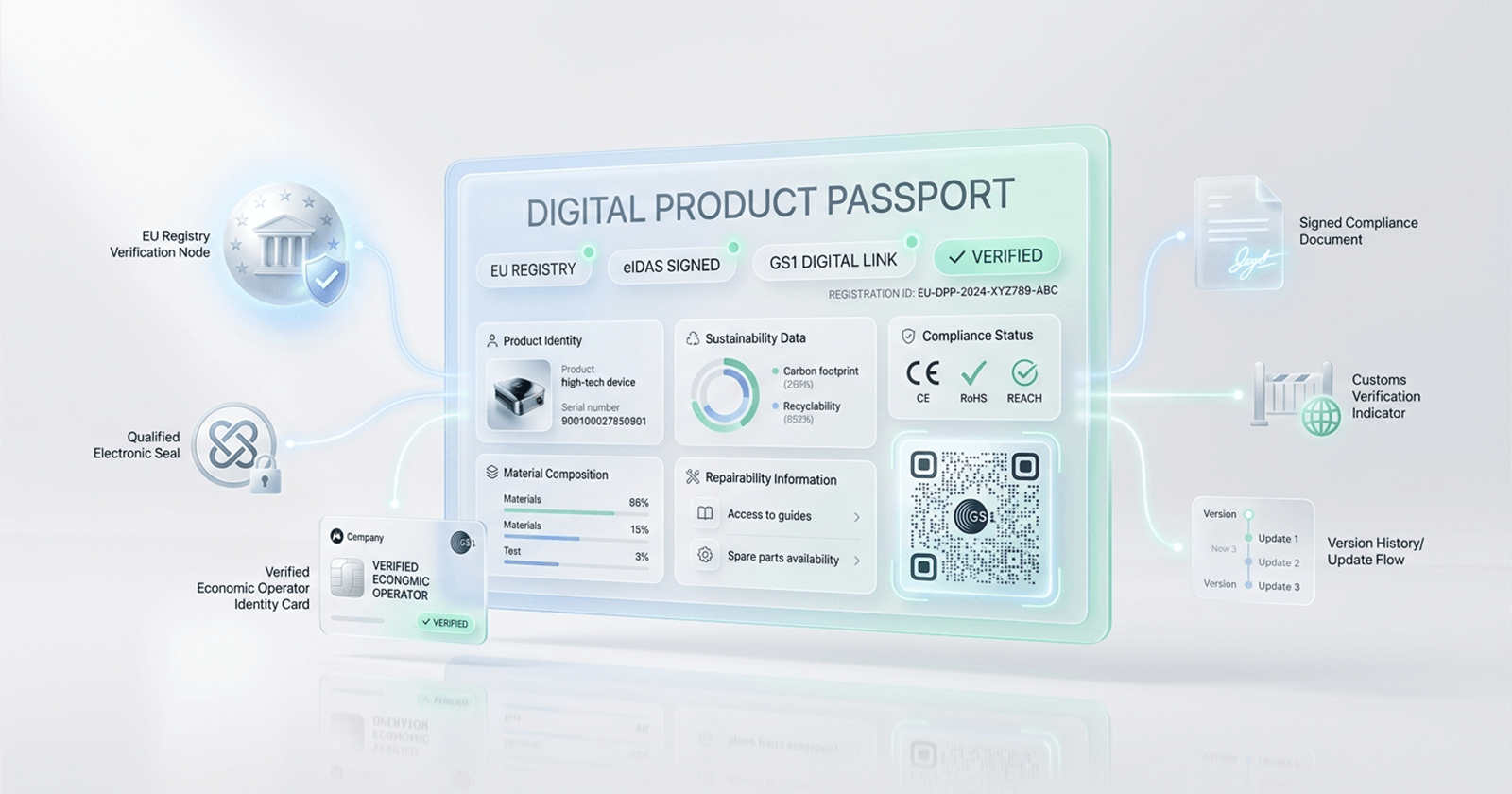
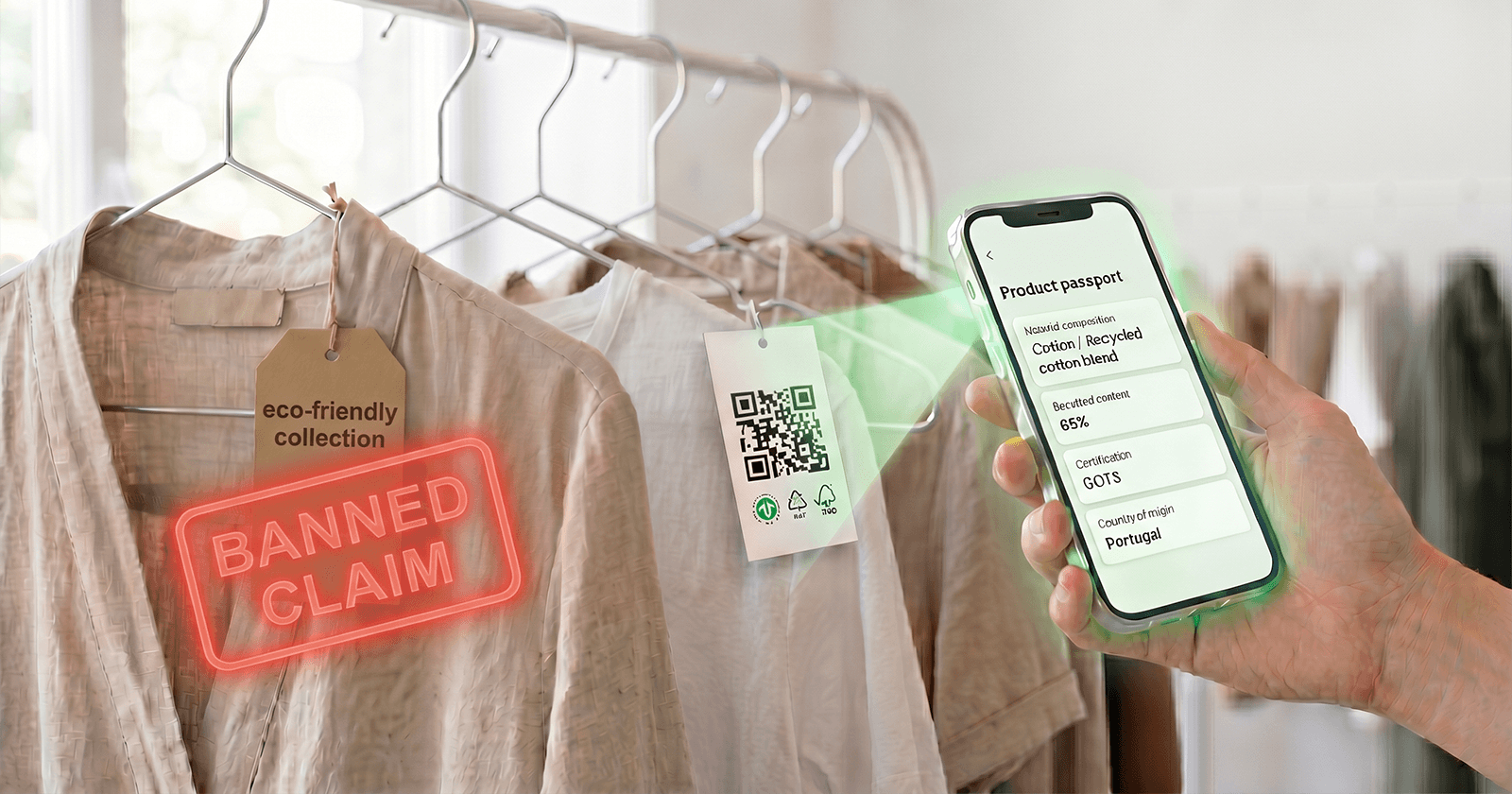
One of the headline innovations is the introduction of a Digital Product Passport (DPP) for toys, which is key to the broader ESPR (Ecodesign for Sustainable Products Regulation) framework. The DPP is a digital record, typically accessed via a data carrier such as a QR code on the product. It consolidates key compliance information, aiming to complement or eventually replace the traditional paper-based declaration of conformity.
For authorities, the DPP, in alignment with the GPSR, makes it easier to verify compliance, trace products, and link toys to relevant test reports, especially in cross-border and online contexts.
Broader Safety Concept: Digital, Psychological, and Cognitive Risks
The TSR significantly broadens the concept of toy safety beyond traditional physical and chemical risks:
Connected Toys: Products using software or platform technology functionalities must be designed so their digital features do not undermine children’s safety.
Safety Assessments: Manufacturers’ safety assessments must now explicitly consider psychological and cognitive effects as well as traditional hazards.
The Overlap Challenge: Batteries Rules Impacting Toys Earlier
The compliance timeline is complicated by the horizontal EU Batteries Regulation. This regulation is already reshaping how batteries in toys must be designed, labelled, and managed, with phased-in requirements on sustainability, removability, and safety that precede the full application of the TSR.
The Fluxy.One Solution: Simple, Instant, Affordable Compliance
The combined effect of the TSR and the Batteries Regulation is a critical data processing challenge. Fluxy.One’s platform provides a truly Simple, Instant, Affordable solution by focusing on efficient, standardized data management:
Automated Digital Data Structuring for DPP: Our compliance platform technology is designed to ingest and process your existing technical documents (test reports, BOMs, safety data). It instantly structures this raw data into the harmonized digital format required for the DPP, drastically reducing the manual effort required. This is a simple setup.
Foundation on GS1 Standards: The resulting DPP data structure is standardized for global machine readability, utilizing GS1 standards Digital Links (QR codes). This ensures that your products are ready for market surveillance and digital traceability systems from day one, helping secure guaranteed market access.
End-to-End Compliance Data: By automating the data flow from technical documentation to the final product link, Fluxy.One ensures all required compliance information is accurate, up-to-date, and readily available for authorities, leading to zero fines.
Implications for Supply Chains and Proactive Alignment
The new framework strengthens and clarifies the duties of manufacturers, importers, and distributors.
Due Diligence: Importers and distributors must strengthen due-diligence and verification processes, especially for products sourced from outside the EU. Superficial checks are no longer sufficient.
Proactive Alignment: While the full compliance deadline provides a transition period of over four years, the complexity of implementing the Digital Product Passport (DPP) data systems and verifying new TSR Chemical Restrictions requires proactive alignment now. Those who secure their data management systems early will be best positioned to avoid market disruptions.
FAQ: Deciphering the New Toy Safety Framework
Q: What is the new Toy Safety Regulation replacing?
A: It replaces the former EU-wide legislation on toy safety, Directive 2009/48/EC, with a new, directly applicable Regulation (TSR) to ensure uniformity across the EU market.
Q: How does the Digital Product Passport (DPP) work for toys?
A: The DPP is a digital record linked to the product, typically via a QR code. It contains key compliance and safety information, allowing authorities and consumers to instantly verify the product's regulatory status and access required documentation.
Q: What are the primary new chemical risks targeted by the TSR?
A: The Regulation significantly expands chemical restrictions beyond CMR substances to include endocrine disruptors, respiratory sensitizers, and explicitly targets substances such as specific bisphenols and PFAS.
Q: When is the final compliance deadline for the TSR?
A: The regulation was adopted in November 2025. After publication in the Official Journal and a short grace period, member states will have 54 months (over four years) to comply with the new provisions. However, planning and data system implementation must begin immediately.
Q: How can Fluxy.One ensure data compliance under the new framework?
A: Fluxy.One ensures compliance by automating the critical data translation and structuring process required for the DPP. By using GS1 standards and platform technology, we guarantee the compliance data is always accurate, current, and in the legally required digital format.
Ready to Move Beyond Theory?
Stop reading regulations and start implementing. The pressure is on for EU Toy Safety Regulation Compliance and the successful implementation of the Digital Product Passport (DPP). The only way to guarantee market access without disruption is through validated, structured data compliance.
Book a free consultation to see the Fluxy.One platform technology in action and secure your zero-fine guarantee. Let us convert your technical files into a fully compliant DPP instantly.
Book Free Consultation or Request a Demo